

Contrast therapy is becoming one of the most talked-about wellness practices of the year. You’ll see it everywhere from professional training facilities to boutique spas to the home routines of high performers. The combination of heat, cold and hydrotherapy creates a powerful effect on the body, especially when done in a simple three-step sequence: Sauna, Cold Shower, Cold Plunge.
Sweaty Yeti units make this entire experience possible in a single space, which means you can build a complete contrast therapy ritual right at home. Below is a clear explanation of how the routine works, why it is so effective and how to start using it weekly for recovery, mental clarity and overall performance.
What Is Contrast Therapy?
Contrast therapy refers to switching between heat and cold to improve circulation, reduce inflammation and support stress recovery. It has become a high-search wellness topic because the results are noticeable for beginners and experts alike.
Primary keywords included: contrast therapy routine, sauna cold plunge routine, how to do contrast therapy, sauna cold shower cold plunge, contrast therapy benefits
Why This 3-Step Routine Works
The order of Sauna, Cold Shower and Cold Plunge is intentional. Each step prepares your body for the next.
1. Sauna: Deep Heat + Cardiovascular Activation
Sauna sessions raise your heart rate, increase circulation and activate heat-shock proteins. These reactions support longevity and improved recovery.
A long-term study of more than 2,000 adults found that regular sauna use was linked with lower cardiovascular and all-cause mortality.
2. Cold Shower: Rapid Cooling + Nervous System Shift
A short cold shower introduces a quick drop in temperature that triggers a natural release of norepinephrine. This is a neurotransmitter connected to alertness, energy and improved mood.
Repeated cold exposure has been shown to increase norepinephrine levels by up to 530 percent.
3. Cold Plunge: Full Immersion + Recovery Boost
Cold plunging cools the body faster and deeper compared to a shower. A 2025 systematic review found strong evidence that cold water immersion improves heart rate variability and post-exercise recovery.
Together, these steps create a cycle of warming, cooling and stabilizing that supports recovery and mental resilience.
The 3-Step Contrast Therapy Routine
This routine is ideal for both beginners and anyone already familiar with sauna and cold therapy.
Step 1: Sauna (10 to 20 minutes at 160 to 195°F)
Spend enough time to feel comfortably warm and relaxed. Breathe through your nose, stretch lightly or settle into a calm meditation.
Research shows that sauna sessions create a cardiovascular response similar to moderate exercise, which can help improve arterial function and reduce blood pressure.
Sweaty Yeti Sauna and Fit models heat quickly and maintain consistent temperatures, which helps you settle into the session without waiting.
Step 2: Cold Shower (30 to 60 seconds)
This step gives your body the first drop in temperature. A short cold shower creates a quick reset without overwhelming your system.
Aim for water between 50 and 60°F and focus on slow, controlled breathing.
Step 3: Cold Plunge (1 to 3 minutes at 39 to 55°F)
Cold plunging is where most people feel the biggest shift. Beginners can start with 55°F for one minute. Once you feel comfortable, lower the temperature and extend the duration gradually.
Sweaty Yeti Plunge and Plus units hold a precise temperature, which makes the experience safe, consistent and effective.
How Many Rounds To Do
Most people start with one full round. As your body adapts, you can increase to two rounds. Advanced users sometimes complete three rounds. Elite athletes may use multiple cycles for performance recovery.
A major 2025 wellness industry report noted that contrast therapy is one of the fastest-growing recovery trends globally.
Science-Backed Benefits of Contrast Therapy
From the sauna
-
Better circulation
-
Improved cardiovascular health
-
Activation of heat-shock proteins
-
Lower long-term mortality risk
From cold exposure
-
Higher norepinephrine levels
-
Reduced inflammation
-
Faster muscle recovery
-
Calmer nervous system
-
Improved HRV
From combining heat and cold
-
Faster recovery after training
-
Stronger stress resilience
-
Improved metabolic response
-
Calmer mood and better sleep
-
A deep parasympathetic reset
Why Sweaty Yeti Is Designed for This Routine
Sweaty Yeti units make the complete contrast therapy routine seamless.
Sauna and Sauna Plus
Efficient heating, beautiful cedar design and a calm, grounded environment.
Plunge and Plunge Plus
Reliable chilling systems, purification, and stable temperatures for consistent immersion.
Sauna Plunge
A purpose-built combination that allows you to move naturally from heat to cold in a single footprint.
The full experience feels intentional, elevated and easy to maintain, which is exactly what a routine like this requires.
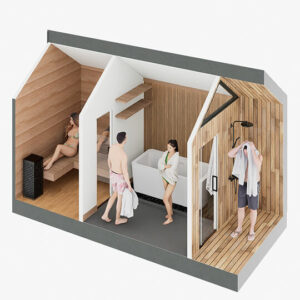
How To Build Your Weekly Ritual
To experience the best results, aim for contrast therapy three to five times per week.
Morning sessions give you energy for the day.
Evening sessions help release tension and prepare your mind for sleep.
Most people notice improvements within two to three weeks:
-
Better sleep
-
More stable mood
-
Increased energy
-
Faster recovery
-
Clearer skin
-
Lower stress levels
Final Thoughts
Contrast therapy is more than a trend. It is one of the most effective and well-studied practices for recovery, performance and stress management. With a Sweaty Yeti setup, you can create a complete routine that feels professional, grounded and repeatable.